
Every new innovation that we see is built upon a huge infrastructure that we fail to notice.
Let me show you an example from the Indian scenario.
The Pizza you order via Swiggy/Zomato at the tap of a button has this huge infrastructure system behind it too.

The grains, fruits, beans, and veggies that reach you deliciously from the cloud kitchen, where did that come from?
From distant lands utilizing a huge infrastructure.
We don’t realize it because we don’t experience it.
Now, if you look at the value that each stage of this entire process creates, you’ll understand what I’m talking about.
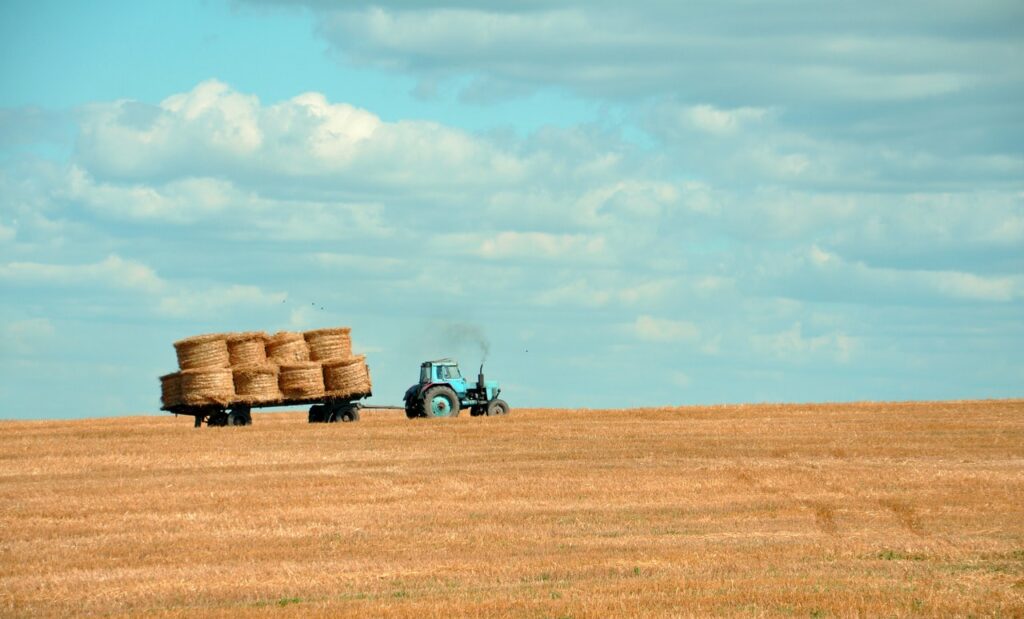
On one hand, farmers cultivate these raw items utilizing their land, massive amounts of time, and risk.
On the other side, apps like Swiggy/Zomato delivers the prepared food to the end customer through an app.
Which one is creating larger value in this entire ecosystem?
I’d say the farmers who grow stuff. Because there’s nothing to deliver if the produce is not there.

I feel for the Indian farmers. Their ignorance of how much value they add to the food chain is simply the reason they find it difficult to make the ends meet.
Which side risks more?
Again, I’d say the farmers do. They invest their capital, land, and more than that time into growing stuff.
In the end side, the risk is far lesser.
Which side put more effort?
Again the farmer side. Now, value creation is not proportional to effort or hard work. I completely agree with that point.
Now, you tell me which side is rewarded more?
Of course the end side.
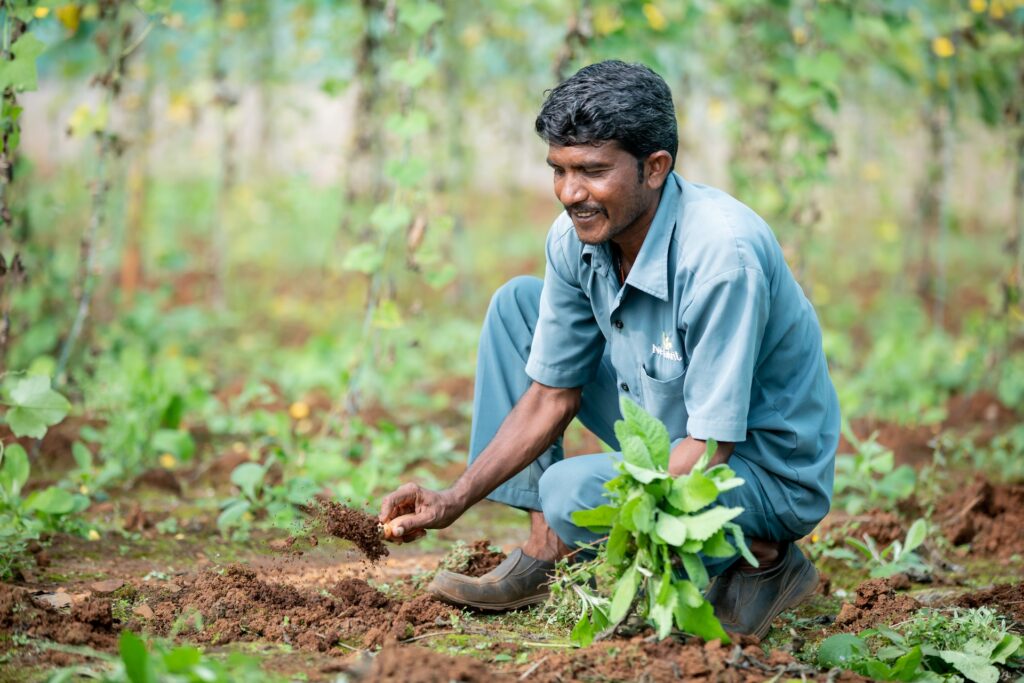
Also, the farmer side is creating things from nothing – the first stage of food from the land, seeds, time, and capital.
On the end side, Swiggy/Zomato is giving us convenience.
We don’t want to go to the restaurant, hence we order.
If we just stop the chain at the restaurants, the entire scenario is just the same.
Now you tell me, who’s creating more value in this entire workflow?
Who’s getting rewarded more?
It’s not a fair world, but these discrepancies are largely due to the lack of knowledge.

I believe that each party should be rewarded for the value they create in the chain.
Farmers should be rewarded 10X of what they get today.
This shift should happen in any industry if we really want to build the economy.
Ultimately, economic growth depends on value creation.
And rewarding the parties providing max value in the chain is the perfect way to incentivize that part of the process.
And incentives attract more people to take part in that value creation.
If we want our agricultural sector to grow, we should do this. This attracts young people into this sector. And young people bring tech into this sector. And the output will be far far higher than we generate today.

Look at what’s happening now.
The govt is pushing tech in agriculture. But it’s not getting much momentum.
Instead, incentivize the farmer and their process heavily as they get rewarded as the max value creators in the food chain.
It attracts young people. Young people bring in tech because that’s what they do. Tech revolutionizes agricultural processes and methods. This leads to max output.
Hence more Agri exports, and less dependency on Agri imports.
Resulting in the huge growth of our economy.
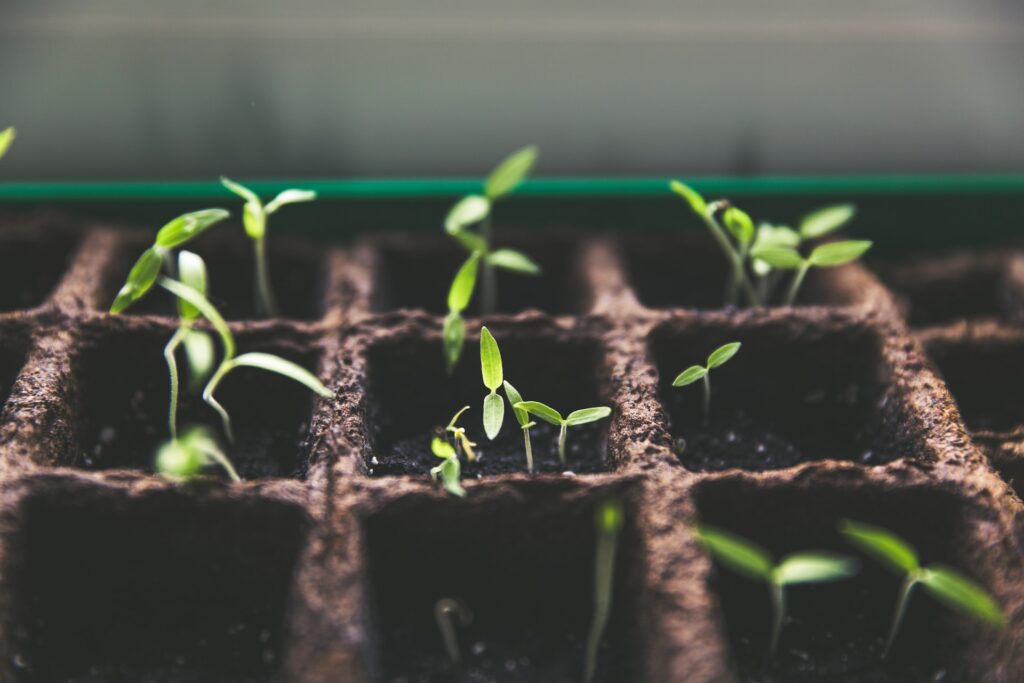
But if we just reverse the strategy and incentivize the value creation process heavily, it attracts the young folks who automatically bring in the tech. This revolutionizes the entire ecosystem.
I believe Agriculture is one huge industry that young tech folks are shying away from.
If the government can align incentives in this sector, it’ll evolve for the better. Not just in terms of economic growth, but the number of people it impacts.
Agriculture, with its allied sectors, is the largest source of livelihood in India.
I’d love to see a transformation in this sector.
I’d also love to hear your thoughts on this mechanism.
Leave a Reply