
I took the phone out and scanned the code in a swift move.
Oh, did I tell you?
I was at this wine store in Kandivali, Mumbai.
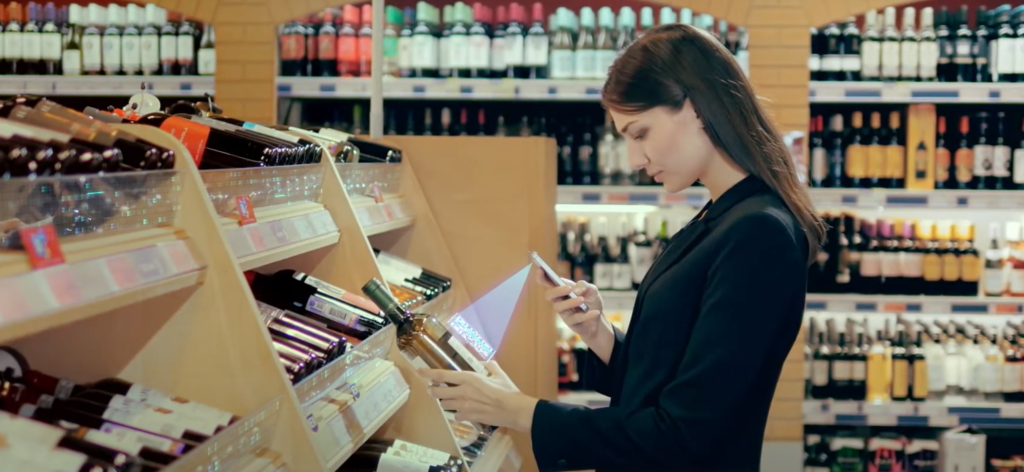
‘Sauvignon Blanc grapes were procured from Bordeaux, France.
Crushed and pressed, fermented in Tiago factory.
Gone through a clarification process. Then aging and bottling were done at E & J Gallo plant.’
‘These rich wine bottles were shipped from the Port of Marseille to Nhava Sheva Port in Mumbai in 2020, September.
These eloquent bottles were then distributed by Empire spirits to aBeer store, Kandivali, Mumbai.’
This is the info I got from scanning the code on that Bordeaux wine bottle.
Pretty amazing, right?

Imagine what happens if this became the norm.
No, not the ‘manufactured by’ and ‘marketed by’ XYZ label we see on all products.
Taking multiple steps ahead – starting from where the materials were sourced and when, where the process was done, what ship and which batch number this particular product came in, what conditions were it stored, and more.
All details step by step.
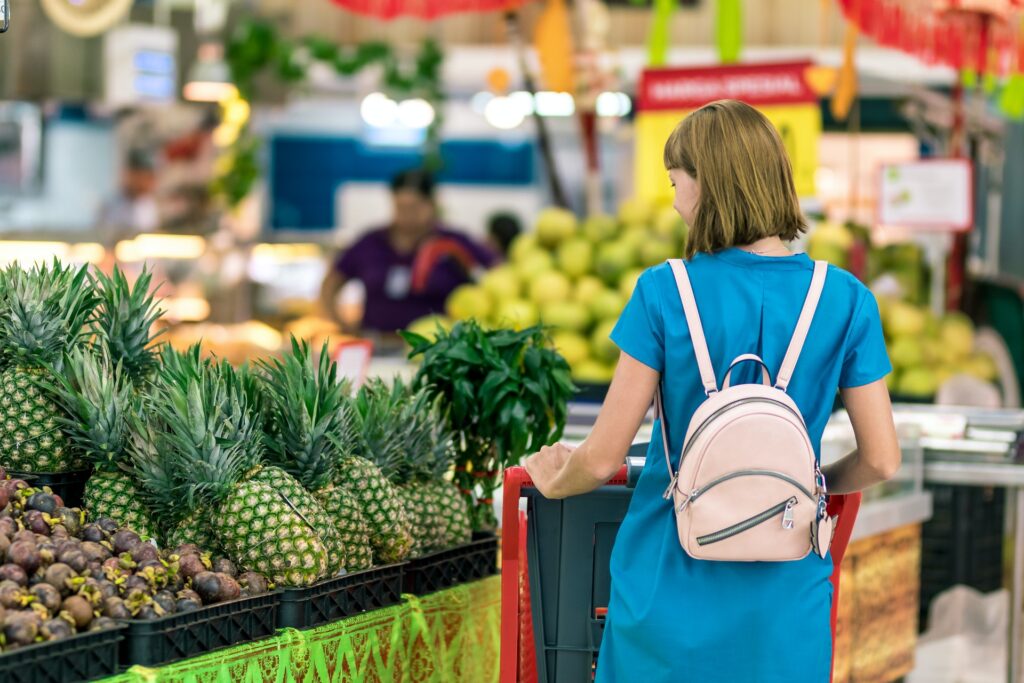
If you think this will happen someday, think again.
This is just how blockchain tech is revolutionizing the supply chain.
Now, you may think it’s good for the consumer.
What about the producer?
This is a win-win.
The supply chain of any product is a complex process with numerous regulations and delays.
The major reason is that a lot of parties are involved in the process.
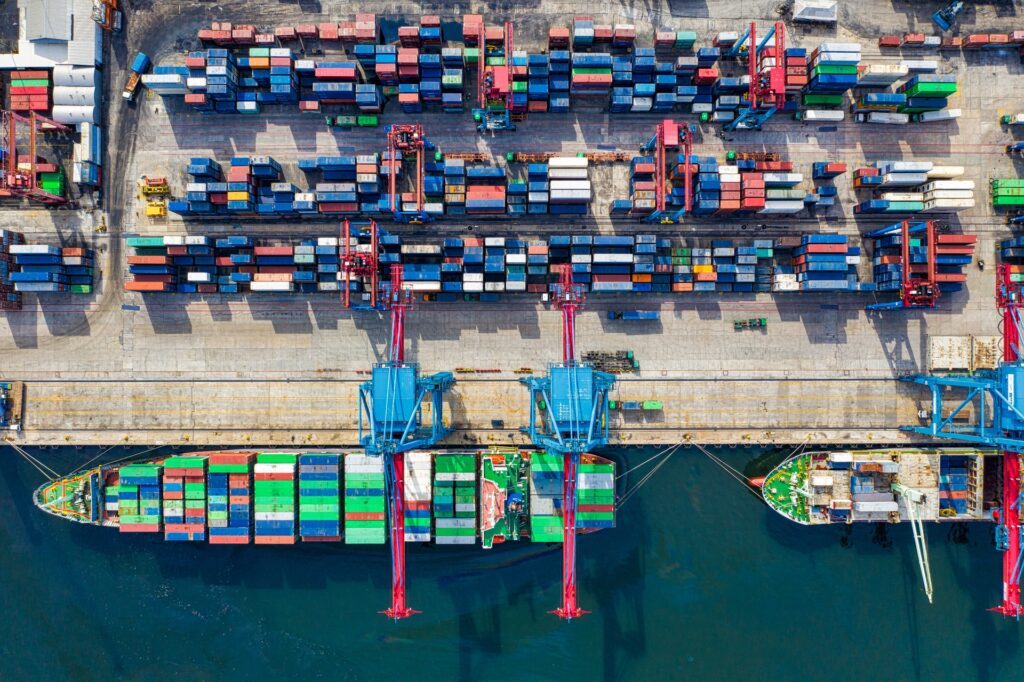
Blockchain makes this entire process 100 times simpler.
How?
All the participating parties including public institutions, certificate authorities are present as the consensus nodes in the blockchain.
All the data are immutable and present in this blockchain so that authorities can verify these data faster.
Some big names like IBM and Samsung are already exploring this space partnering with various tech solutions.
I look forward to this transparency becoming a norm in our everyday life.
Ultimately, one purpose of tech is to make our lives simpler.
I would love to know your thoughts.
Leave a Reply