
Let’s see.
There are ways to incentivize accurate predictions. Investing in stocks is an example.
Also, we have ways to incentivize trust.
Companies that have long years of history are an example.
Tata Group, as a brand proves this.
Let me ask you a question.
How do you get the info to navigate worldly affairs?

A few bits from socials, some from media and print, some from word of mouth, a few from our own experiences.
Let’s keep the experiences aside.
How does an investor get accurate information about a company, when he plans to invest?
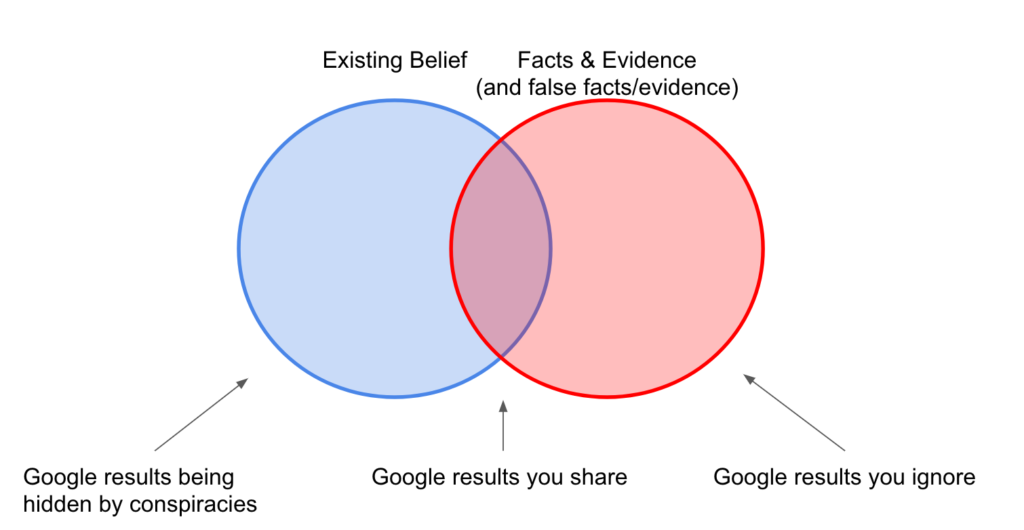
How do you make sure that the info you consume is the rightful info?
There is a way out, at least in progress – the peer-prediction mechanism.

It works this way.
The starting point is to get subjective evaluations from expert individuals.
But, there is a challenge here.
In most cases, we don’t have a verified ground truth to compare the individual evaluations to.
In the peer-prediction mechanism, a participant’s report is compared to those of his peers to bring it to a truthful equilibrium.
But what motivates individuals to do their evaluation?
Incentives.
What happens then?
Since the evaluation is incentivized, it is an individual’s best interest to report his evaluation truthfully, if he believes that all other participants are truthful.
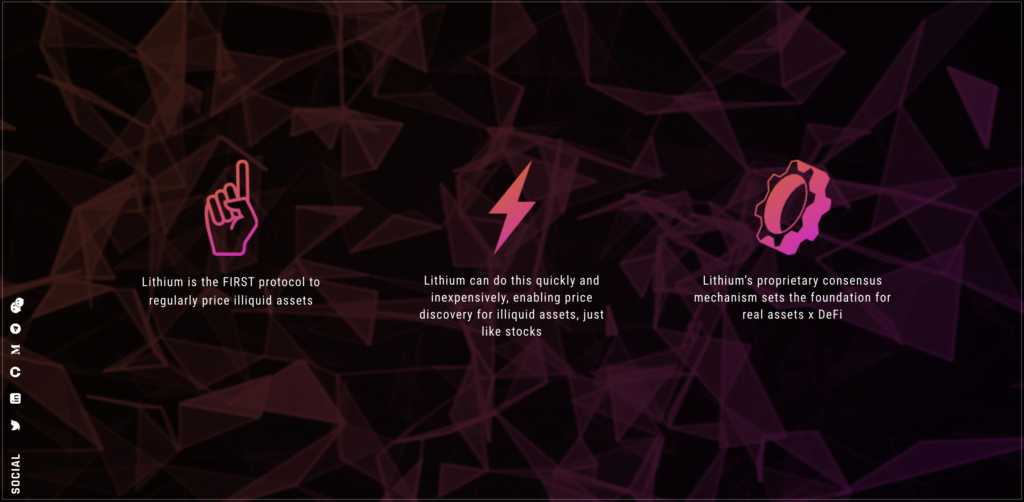
There are companies actively trying to achieve this rightful information for investors.
Lithium Finance using collective intelligence is a great example.
What if we could do this on a grand scale to navigate worldly affairs?
Right information leads to the right decisions.
Right decisions discard ambiguity and create clarity.
I believe a lot can change if we all have truthful information handy.
I would love to know your thoughts on this…